Most likely you’ve noticed people walking around with dark crosses marked on their foreheads on a particular Wednesday each year. This Christian observance, known as Ash Wednesday, marks the beginning of your Lenten journey – a 40-day period of reflection, fasting, and spiritual renewal. As you prepare for this solemn day, understanding its deep religious significance and ancient traditions can help you participate more meaningfully in this sacred ritual that symbolizes mortality, repentance, and the start of your spiritual preparation for Easter.
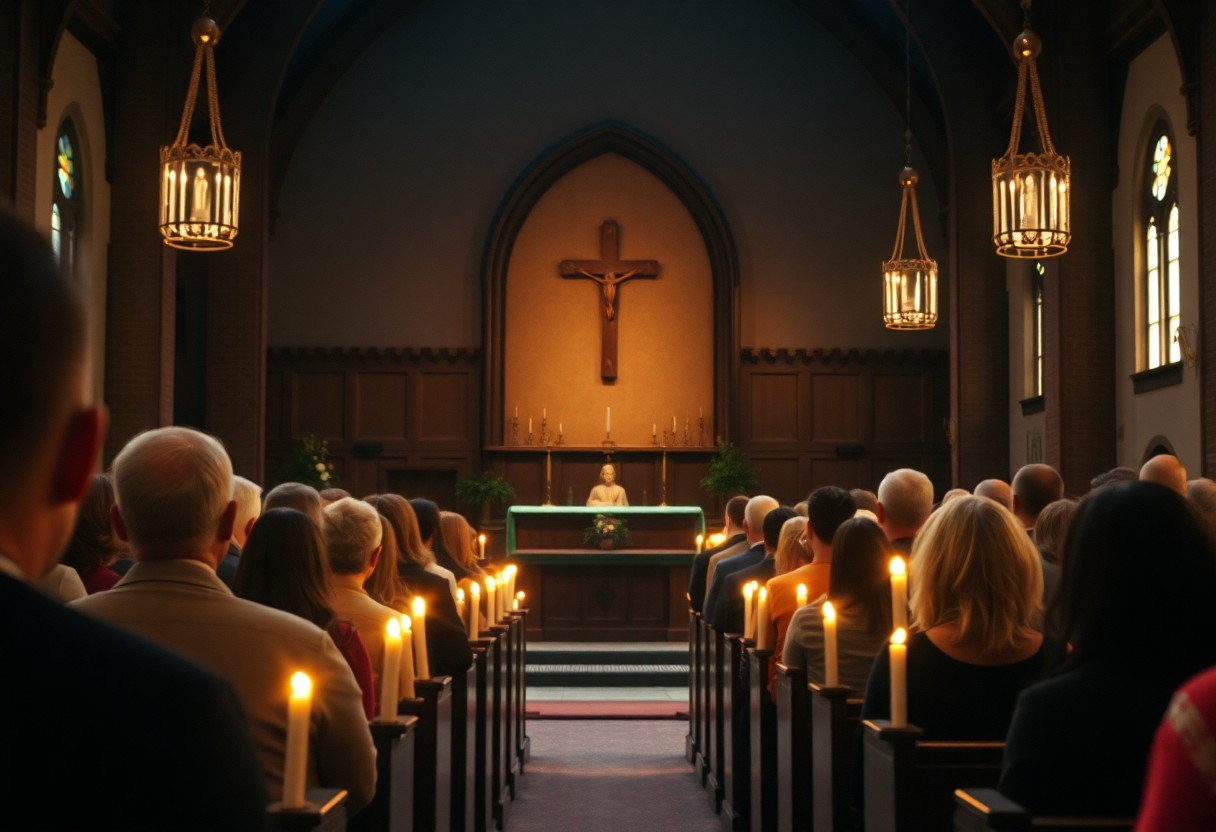
Understanding Ash Wednesday
Before you begin your Lenten journey, it’s important to grasp the meaning of Ash Wednesday, which marks the start of the 40-day period of Lent. This solemn day invites you to reflect on your mortality, seek repentance, and renew your spiritual commitment. As you receive the ash cross on your forehead, you join millions of Christians worldwide in this ancient tradition of faith and devotion.
Historical Background
Now you can trace Ash Wednesday’s roots back to the early Christian Church, where public penance was a common practice. By the 11th century, the tradition had evolved into what you recognize today. The custom of marking foreheads with ashes emerged from the ancient Jewish practice of expressing repentance through ashes and sackcloth.
Significance in Christianity
On this day, you’re called to acknowledge your human limitations and dependence on God’s grace. The ashes symbolize both your mortality (“from dust you came, to dust you shall return”) and your need for cleansing and renewal.
It’s a time when you’re invited to examine your life, recognize your shortcomings, and commit to spiritual growth. The ash cross serves as a visible symbol of your faith and a reminder of your willingness to change and grow closer to God during the Lenten season.
Overview of Observances
Historical practices of Ash Wednesday include fasting, prayer, and receiving ashes. As you participate in these traditions, you’ll find they create a meaningful foundation for your Lenten journey. The day typically begins with a special church service where you receive the ash cross.
The observance of Ash Wednesday helps you prepare for the spiritual journey ahead. When you attend services, you’ll notice the somber atmosphere, often accompanied by specific prayers and readings. Your church may require you to fast from certain foods, and you’re encouraged to maintain a spirit of reflection throughout the day.
Types of Ash Wednesday Observances
While Ash Wednesday practices vary across Christian denominations, the core symbolism remains consistent.
- Mass or worship service attendance
- Receiving ash crosses on foreheads
- Fasting and abstinence
- Prayer and reflection
This sacred day marks the beginning of your Lenten journey with profound spiritual significance.
| Practice | Significance |
|---|---|
| Ash Imposition | Symbol of mortality and repentance |
| Fasting | Physical and spiritual cleansing |
| Prayer | Deepening your connection with God |
| Reflection | Personal examination and growth |
| Service | Community engagement and charity |
Traditional Catholic Practices
An necessary part of your Catholic Ash Wednesday observance includes attending Mass, where you receive blessed ashes on your forehead in the shape of a cross. You’re expected to fast, limiting yourself to one full meal and two smaller meals, while abstaining from meat. Your day should include special prayers and acts of penance.
Protestant Variations
For Protestant denominations, your Ash Wednesday observance might be more flexible. You can attend special services where ministers distribute ashes, though some congregations may focus more on prayer and Scripture reading than the physical imposition of ashes.
To enhance your Protestant Ash Wednesday experience, you might participate in community worship services, join prayer groups, or engage in personal devotional practices. Your church may offer evening services to accommodate work schedules, and some congregations combine their observances with other local churches.
Cultural Traditions
Variations in Ash Wednesday traditions reflect your local cultural heritage. You might find unique customs blending religious observance with regional practices, from special meals to community gatherings.
Observances around the world can enrich your Ash Wednesday experience through diverse expressions of faith. You might encounter processions in Latin American countries, special bread-sharing practices in Eastern European communities, or distinctive prayer services in African churches.
The Meaning of Ashes
Many Christians find deep spiritual significance in the ashes used during Ash Wednesday. When you receive the ash cross on your forehead, you participate in an ancient tradition that connects you to centuries of faith. The ashes serve as a tangible reminder of your mortality and dependence on God, marking the beginning of your Lenten journey of reflection and repentance.
Symbolism of Ashes
Even as you feel the gritty texture of ashes on your skin, you experience a powerful symbol of both death and renewal. The ashes represent your human frailty and the temporary nature of earthly life, while simultaneously pointing to your potential for spiritual transformation and the promise of eternal life through Christ.
Biblical References
Any time you encounter ashes in Scripture, you’ll find them connected to mourning, repentance, and humility. From Job’s declaration of repentance in dust and ashes to Daniel’s prayers of confession, the Bible consistently presents ashes as a symbol of human mortality and spiritual transformation.
Ashes appear throughout the Old and New Testament as symbols of penitence and purification. When you read about biblical figures covering themselves in ashes, you’ll understand how this practice demonstrated their complete submission to God. Your participation in this ritual connects you to these ancient expressions of faith and humility.
Interpretation Across Denominations
Symbolism of ashes varies slightly among different Christian traditions, yet maintains its core meaning. Whether you’re Catholic, Orthodox, or Protestant, the ashes you receive represent your recognition of mortality and your commitment to spiritual renewal during the Lenten season.
With each Christian denomination, you’ll find unique approaches to the ritual of ash imposition. Your experience might include different prayers or gestures, but the fundamental meaning remains constant: acknowledging your mortality and expressing your desire for spiritual transformation. The variations in practice reflect the rich diversity of Christian worship while maintaining the universal message of repentance and renewal.
Receiving Ashes: What to Expect
Your participation in the Ash Wednesday ritual marks the beginning of the Lenten season. During this solemn ceremony, you’ll join other faithful in receiving the symbolic ashes that represent mortality and repentance. The experience combines personal reflection with communal worship, creating a meaningful start to your Lenten journey.
The Process of Getting Ashes
You will approach the priest or minister as directed by the ushers, typically forming a line similar to receiving communion. Standing or kneeling before the clergy, you’ll receive the ashes in the form of a cross marked on your forehead, accompanied by words such as “Remember that you are dust, and to dust you shall return.”
Customs During the Service
With reverence, you’ll notice the somber atmosphere that characterizes Ash Wednesday services. The traditional response after receiving ashes is simply “Amen,” and you may observe brief moments of silent prayer before returning to your seat.
Ashes remain on your forehead throughout the service and may be worn for the remainder of the day as a public expression of faith. While some choose to wipe them off after the service, many maintain this visible symbol as a witness to their faith and recognition of the day’s significance.
Variations in Rituals
To accommodate different traditions and circumstances, some churches may offer variations in how ashes are distributed. You might encounter the sprinkling of ashes on the crown of your head, or in some modern adaptations, “drive-through” or “ashes-to-go” services for those unable to attend full ceremonies.
Service styles can vary significantly among different Christian denominations. Catholic masses typically include the Eucharist, while Protestant services might focus more on scripture readings and prayers. Some churches may combine the ash distribution with evening prayer services, while others might offer multiple service times throughout the day to accommodate various schedules.
Who Can Receive Ashes?
For anyone seeking to participate in this sacred tradition, Ash Wednesday remains an inclusive ceremony. You don’t need to be a Catholic or even baptized to receive ashes. This meaningful ritual serves as a symbol of mortality and repentance, welcoming all who wish to begin their spiritual journey of reflection and renewal.
Guidelines for Catholics
Ashes may be received by any baptized Catholic in good standing with the Church. You should approach this sacramental with reverence and a spirit of penance. While not a Holy Day of Obligation, your participation demonstrates commitment to the Lenten journey ahead.
Non-Catholic Participation
With an open spirit of ecumenism, the Catholic Church welcomes Christians of other denominations and even non-Christians to receive ashes. You can participate in this ritual as a meaningful way to mark the beginning of your own spiritual reflection.
NonCatholic participants should follow the same respectful approach as others when receiving ashes. You may choose to receive them either as a cross on your forehead or sprinkled on the crown of your head, following the minister’s guidance and local customs.
Children and Ash Wednesday
Children who have reached the age of reason (typically around seven years) can fully participate in receiving ashes. You can help your child understand this solemn ritual as a meaningful start to the Lenten season.
Catholics generally encourage children’s participation in Ash Wednesday services as an early introduction to Lenten practices. You can prepare your child by explaining the significance of the ashes and helping them understand the themes of repentance and renewal in age-appropriate ways.
Fasting and Abstinence Rules
To observe Ash Wednesday properly, you must follow the Church’s guidelines for fasting and abstinence. As a Catholic aged 14 and older, you are required to abstain from meat, while those between 18 and 59 must also fast, limiting yourself to one full meal and two smaller meals that together don’t equal another full meal.
Guidelines for Fasting
Guidelines for fasting on Ash Wednesday specify that you may eat one full meal and two smaller meals that don’t add up to a full meal. You should avoid snacking between meals, though liquids, including coffee and juice, are permitted at any time. Your focus should remain on spiritual reflection rather than food.
Differences Between Fasting and Abstinence
For clarity in your observance, understand that fasting refers to the quantity of food you consume, while abstinence relates to avoiding specific food types, particularly meat. You can observe abstinence without fasting, but Ash Wednesday calls for both practices.
Fasting means you limit your food intake, while abstinence requires you to avoid meat completely. When you practice both, you’re participating in a centuries-old tradition that helps you focus on spiritual growth and reflection. Your observance of these practices connects you to millions of faithful worldwide who share in this sacred tradition.
Exceptions to the Rules
If you are pregnant, nursing, ill, or have other medical conditions requiring regular meals, you’re exempt from fasting rules. You should prioritize your health while finding alternative ways to observe this holy day through prayer and charitable acts.
Rules regarding exemptions exist to ensure your well-being while maintaining the spirit of the observance. You may be excused from fasting if you perform heavy physical labor, have medical dietary requirements, or are traveling. Your spiritual advisor can help you determine appropriate alternatives that align with your circumstances while preserving the day’s religious significance.
Duration of Ashes on Forehead
After receiving ashes on your forehead, you may wonder how long to keep them visible. While there’s no strict rule in most Christian denominations, many believers choose to wear their ashes throughout Ash Wednesday as a public expression of their faith and mortality. You can maintain them until they naturally wear off or choose to remove them at the end of the day.
Cultural Perspectives on Wearing Ashes
Perspectives on displaying ashes vary across different communities and cultures. In some regions, you’ll notice people proudly wearing their ashes throughout the day as a testimony of faith, while others prefer to maintain a more private expression. Your workplace environment and local customs may influence your decision on how long to keep the ashes visible.
Hygiene Considerations
Any concerns about hygiene are natural when wearing ashes on your forehead. The blessed ashes are safe for skin contact, but you should avoid touching or rubbing your forehead to prevent smudging and maintain cleanliness.
It’s worth noting that if you experience any skin sensitivity or discomfort, you can gently remove the ashes. The spiritual significance lies in the act of receiving them rather than the duration they remain on your forehead. You can maintain good hygiene while respecting the religious observance.
When to Remove Ashes
Cultural norms and personal preference guide when you choose to remove the ashes. You can wash them off after Mass, at the end of your workday, or before bedtime. The symbolic meaning remains regardless of how long you wear them.
Considerations about removing your ashes should align with your personal comfort and daily activities. If you’re attending important meetings or events where you prefer not to display the ashes, you can respectfully remove them. Your decision should reflect your individual circumstances while honoring the spiritual significance of the day.

Relationship Between Shrove Tuesday and Ash Wednesday
Once again, you find yourself at the threshold between feasting and fasting as Shrove Tuesday transitions into Ash Wednesday. This significant shift marks the boundary between two distinct spiritual periods – the celebratory preparation for Lent and the beginning of the solemn 40-day journey. Your understanding of this connection helps appreciate the deeper meaning behind these consecutive days in the Christian calendar.
Historical Context
Any exploration of these connected days takes you back to medieval Europe, where communities would gather to use up their rich foods before the Lenten fast. Your ancestors saw this as both a practical necessity and a spiritual obligation, creating traditions that would shape how you observe these days in modern times.
Culinary Traditions
Even today, you’ll notice how your kitchen becomes a place of transformation during this period. The contrast between Shrove Tuesday’s indulgent pancakes and rich foods gives way to Ash Wednesday’s simple, modest meals, reflecting your spiritual journey.
Between these two days, your culinary choices tell a story of transition. While you might enjoy butter, eggs, and sugar in abundance on Shrove Tuesday, your Ash Wednesday plate typically features plain, meatless dishes. This dramatic shift in your eating habits helps mark the beginning of your Lenten observations.
Spiritual Preparation
Relationship between these days offers you a chance to gradually enter the Lenten season. Your transition from celebration to reflection mirrors the Church’s ancient wisdom in preparing hearts for the coming period of penitence.
It becomes your opportunity to embrace both celebration and solemnity. As you move through Shrove Tuesday’s festivities, you can begin contemplating your Lenten commitments, using this time to prepare your heart and mind for the spiritual journey ahead. This thoughtful progression helps you enter the Lenten season with purpose and understanding.
The Ash Wednesday Service
Keep in mind that the Ash Wednesday service marks the beginning of your Lenten journey. This solemn celebration combines traditional Catholic liturgy with powerful symbols of penitence and mortality. Your participation in this service will help you reflect on your spiritual life and prepare for the season of Lent.
Structure of the Mass
You’ll notice the service follows a familiar pattern of the Catholic Mass, with specific modifications for Ash Wednesday. The service begins with the Liturgy of the Word, followed by the blessing and distribution of ashes, and concludes with the Liturgy of the Eucharist.
Key Elements of the Liturgy
Assuming you’re attending a full Ash Wednesday service, you’ll experience several distinct elements: the blessing of ashes, the imposition of ashes on your forehead, and special prayers of penitence. Your priest will mark your forehead with blessed ashes in the shape of a cross, saying “Turn away from sin and be faithful to the Gospel” or “You are dust, and to dust you shall return.”
Another significant aspect of the liturgy you’ll encounter is the reading of specific biblical passages that emphasize repentance and renewal. You’ll hear Joel 2:12-18, which calls for sincere repentance, and Matthew 6:1-6, 16-18, teaching about authentic spiritual practices. These readings will help you understand the deeper meaning of your Lenten observance.
Data Research
Ash Wednesday Search
The most searched question is “What is Ash Wednesday?” with 12,500 monthly searches
The 35-50 age group dominates search activity
Birmingham leads in regional search volumes
Conclusion of the Service
Now you’ll move into the final phase of the service, which includes the Liturgy of the Eucharist. Your participation in Holy Communion reinforces your commitment to spiritual renewal and connects you with your faith community as you begin your Lenten journey.
It’s worth noting that as you leave the service, you may choose to keep or wash off the ashes. Your decision is personal and doesn’t affect the validity of your participation. The service concludes with a special blessing, sending you forth to begin your 40-day journey of prayer, fasting, and almsgiving.