Digital Evangelism
Digital evangelism refers to the use of digital platforms and technologies to spread the message of the Gospel and engage with individuals in an online context. It encompasses various strategies and approaches aimed at reaching people with the teachings and values of Christianity through digital means. While it can include sharing testimonies, local sermons, and encouraging words, digital evangelism encompasses a broader scope of activities that utilize digital tools and platforms to connect with individuals and promote faith.
1. Sharing Testimonies:
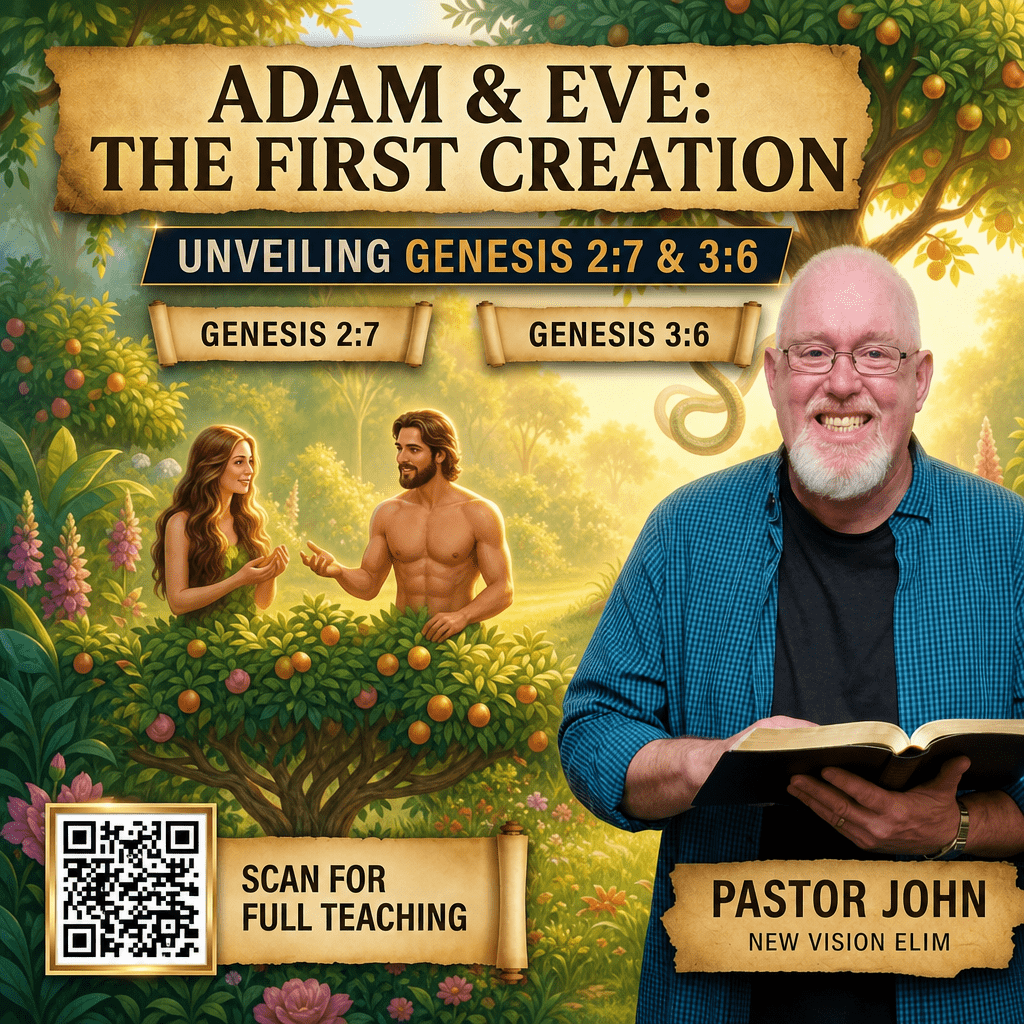
Sharing testimonies is an integral part of digital evangelism. Testimonies are personal stories of how individuals have encountered and experienced the transformative power of faith in their lives. By sharing testimonies through digital channels such as social media, websites, blogs, or video platforms, people can inspire and encourage others, showing them the impact of a personal relationship with God.
2. Local Sermons and Teachings:
Digital evangelism also involves sharing local sermons and teachings online. Churches and religious organizations can utilize livestreaming or recording services to make sermons accessible to a wider audience beyond their physical congregation. By leveraging digital platforms, individuals can access religious teachings, biblical messages, and spiritual insights from anywhere, allowing them to engage with the Word of God on their own terms.
3. Encouraging Words and Inspirational Content:
Providing encouraging words and sharing inspirational content is another aspect of digital evangelism. This can be achieved through social media posts, devotionals, online articles, or podcasts that uplift and motivate individuals in their faith journey. By offering positive messages, biblical reflections, and practical guidance, digital evangelism aims to provide a source of encouragement and support to people in their daily lives.
4. Online Communities and Discipleship:
Digital evangelism creates opportunities for individuals to connect and engage in online communities centered around faith. These communities can take the form of social media groups, forums, or online platforms dedicated to discussing and exploring matters of spirituality. Through these digital spaces, people can seek guidance, ask questions, share experiences, and receive support from fellow believers, fostering a sense of community and facilitating discipleship.
5. Online Outreach and Evangelistic Campaigns:
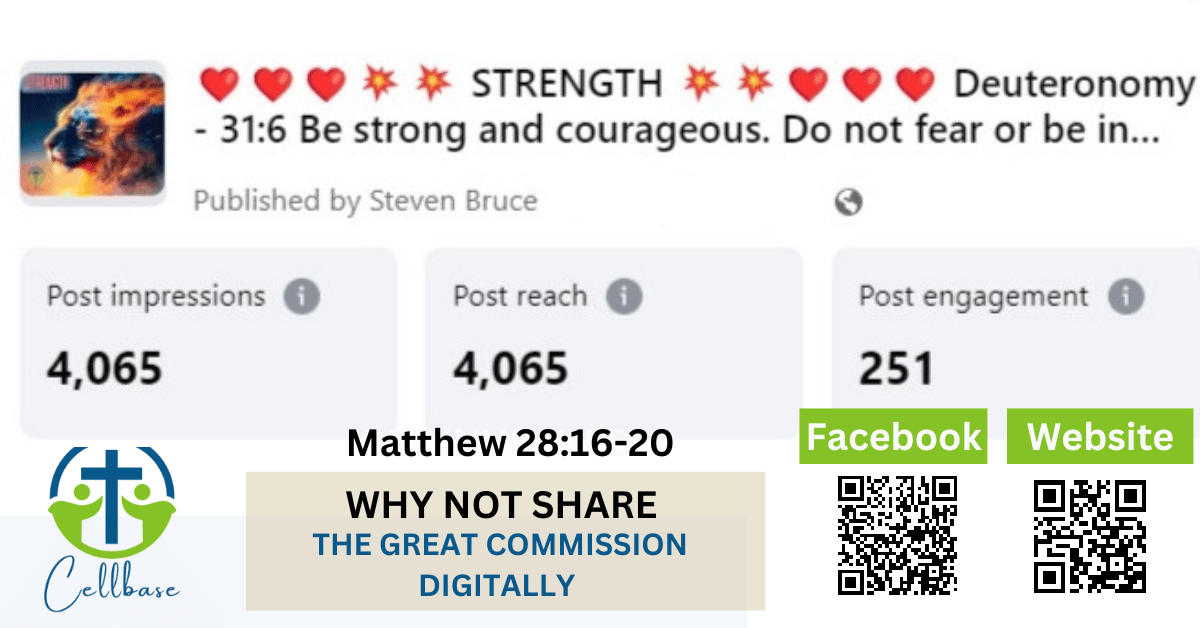
Digital evangelism involves launching targeted outreach and evangelistic campaigns through digital platforms. This may include online advertising, email marketing, or social media campaigns designed to reach specific demographics or interest groups with the Gospel message. By utilizing digital tools, evangelists can expand their reach and engage with a broader audience, allowing them to share the good news of Jesus Christ and invite individuals to explore their faith.
In summary, digital evangelism leverages digital platforms and technologies to spread the message of the Gospel, engage with individuals, and promote faith. While sharing testimonies, local sermons, and encouraging words are part of digital evangelism, it encompasses a wider range of activities that utilize digital tools to connect with people, build online communities, and launch outreach campaigns. By embracing digital platforms, digital evangelism seeks to make the teachings and values of Christianity accessible to individuals worldwide, fostering spiritual growth and encouraging a deeper relationship with God in the online realm.
How can I undertake Digital Evangelism with my Facebook, Twitter Instagram or Social media account ?

Undertaking digital evangelism with your Facebook, Twitter, Instagram, or other social media accounts can be a powerful way to spread the message of the Gospel and engage with individuals online. Here are ten points to consider when using social media for digital evangelism:
1. Establish a Purpose: Clearly define your purpose for using social media as a tool for digital evangelism. Identify your target audience, the specific message you want to share, and the goals you aim to achieve.
2. Consistent Faith-based Content: Share faith-based content regularly, such as Bible verses, inspirational quotes, devotional reflections, or relevant articles. Ensure the content you share aligns with your purpose and resonates with your target audience.
3. Engage with Followers: Actively engage with your followers by responding to comments, asking questions, and initiating discussions. Encourage them to share their thoughts, doubts, and questions related to faith, and provide genuine and compassionate responses.
4. Share Personal Testimonies: Share your personal testimonies and stories of how your faith has impacted your life. Authentic personal stories can be powerful tools to inspire and connect with others.
5. Use Multimedia: Incorporate visual elements into your posts, such as images, videos, or graphics. Visual content tends to capture attention and increases engagement.
6. Utilize Live Videos: Utilize the live video feature on platforms like Facebook and Instagram to deliver sermons, Bible studies, or live Q&A sessions. This allows for real-time interaction and connection with your audience.
7. Collaborate with Others: Collaborate with other individuals or organizations with similar interests and values. Guest posting, co-hosting live events, or participating in online discussions can expand your reach and bring new perspectives to your audience.
8. Hashtags (#) on social media platforms serve as a way to categorize and organize content around specific topics or themes. By including relevant hashtags in your posts, you can increase the discoverability and reach of your content. When users search or click on a hashtag, they are directed to a feed of posts that have used the same hashtag. This allows your content to be seen by a wider audience who are interested in that particular topic. Using popular and trending hashtags can help boost visibility and engagement, as it connects your content with a broader conversation happening on social media. Leverage Hashtags: Use relevant hashtags in your posts to increase visibility and reach a wider audience interested in similar topics or themes. Research popular hashtags related to faith and incorporate them strategically.
9. Provide Resources and Recommendations: Share resources such as recommended books, podcasts, websites, or online courses that align with your faith and can deepen someone’s understanding of Christianity.
10. Respectful and Compassionate Communication: Maintain a respectful and compassionate tone in all interactions. Be open to different perspectives and engage in constructive dialogue without judgment or hostility.
Remember that digital evangelism requires patience, consistency, and a genuine desire to connect with others. Stay true to your purpose and continue to adapt your approach based on the feedback and needs of your audience. By using social media intentionally and authentically, you can make a positive impact and spread the message of the Gospel in the digital realm.